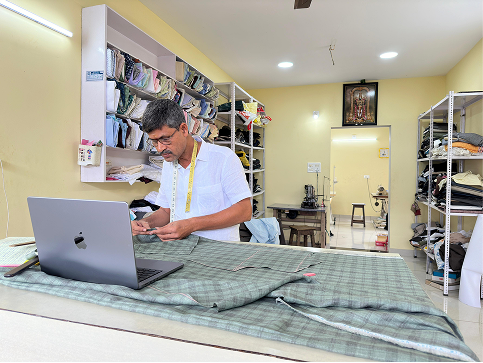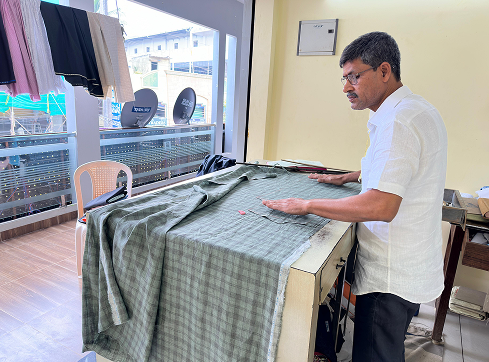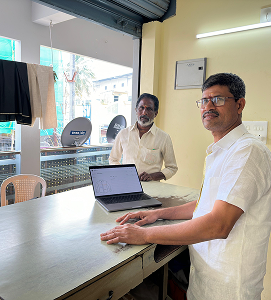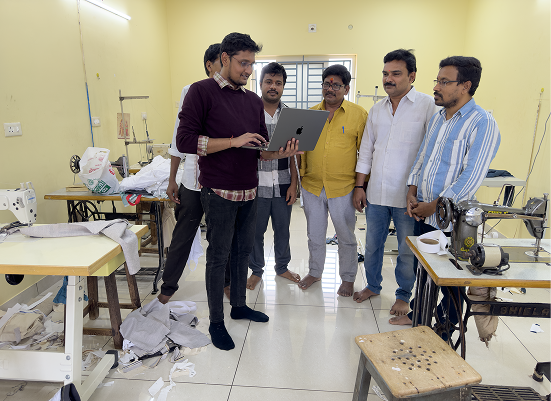
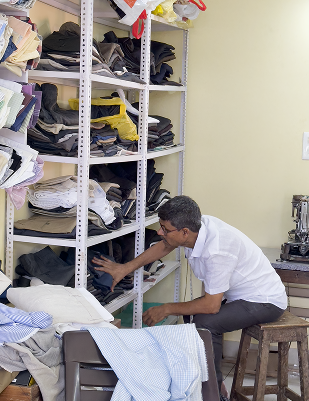
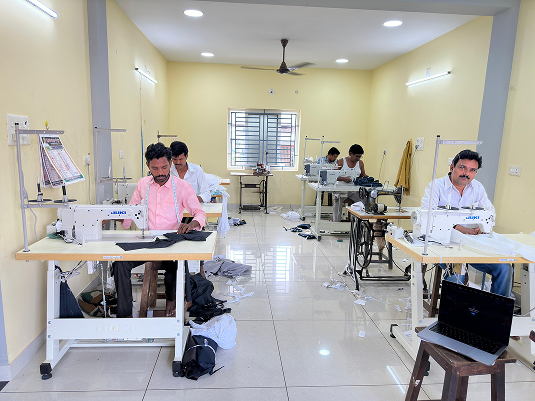
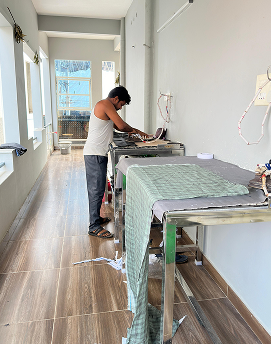
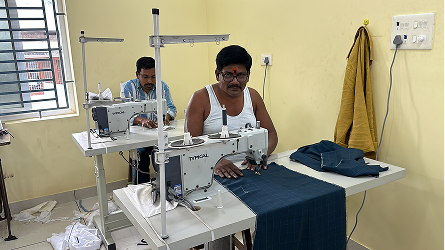
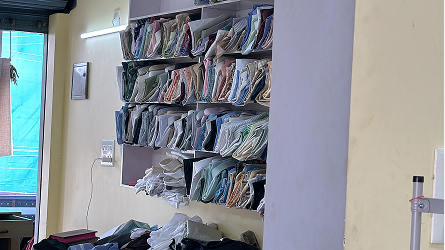
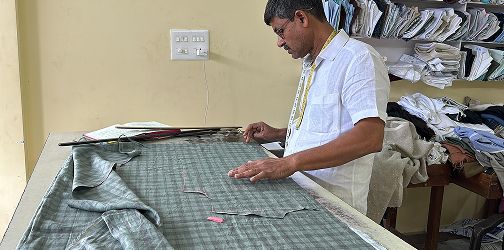
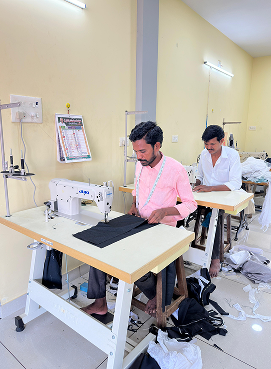
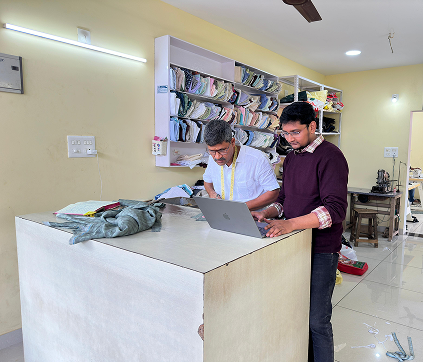
The goal of my research was to understand the needs, challenges , and motivations of tailors and boutique owners. Through interviews and observations, I found that many still rely on notebooks or memory to manage orders, which often leads to errors, missed details, and delays. Customers also face frustrations with miscommunication, late deliveries, and reliance on physical collection cards. These insights helped me identify inefficiencies in their workflow and guided me to design a solution that balances tradition with modern technology, while staying simple and intuitive for all users.
Tailors and boutique owners aim to deliver quality and grow their business, but lack a simple, digital system that supports their daily workflow, communication, and customer management.
The problem is not just about managing orders, but about the lack of structured workflows in tailoring businesses.Manual methods lead to errors, delays, and miscommunication. A simple digital system can improve efficiency, accuracy, and customer experience.

Link: https://docs.google.com/forms/d/1eUOqMptRAkQvWg6BLt6DvxX-ibcIugqNSw1-2AP4rf4/closedform#responses
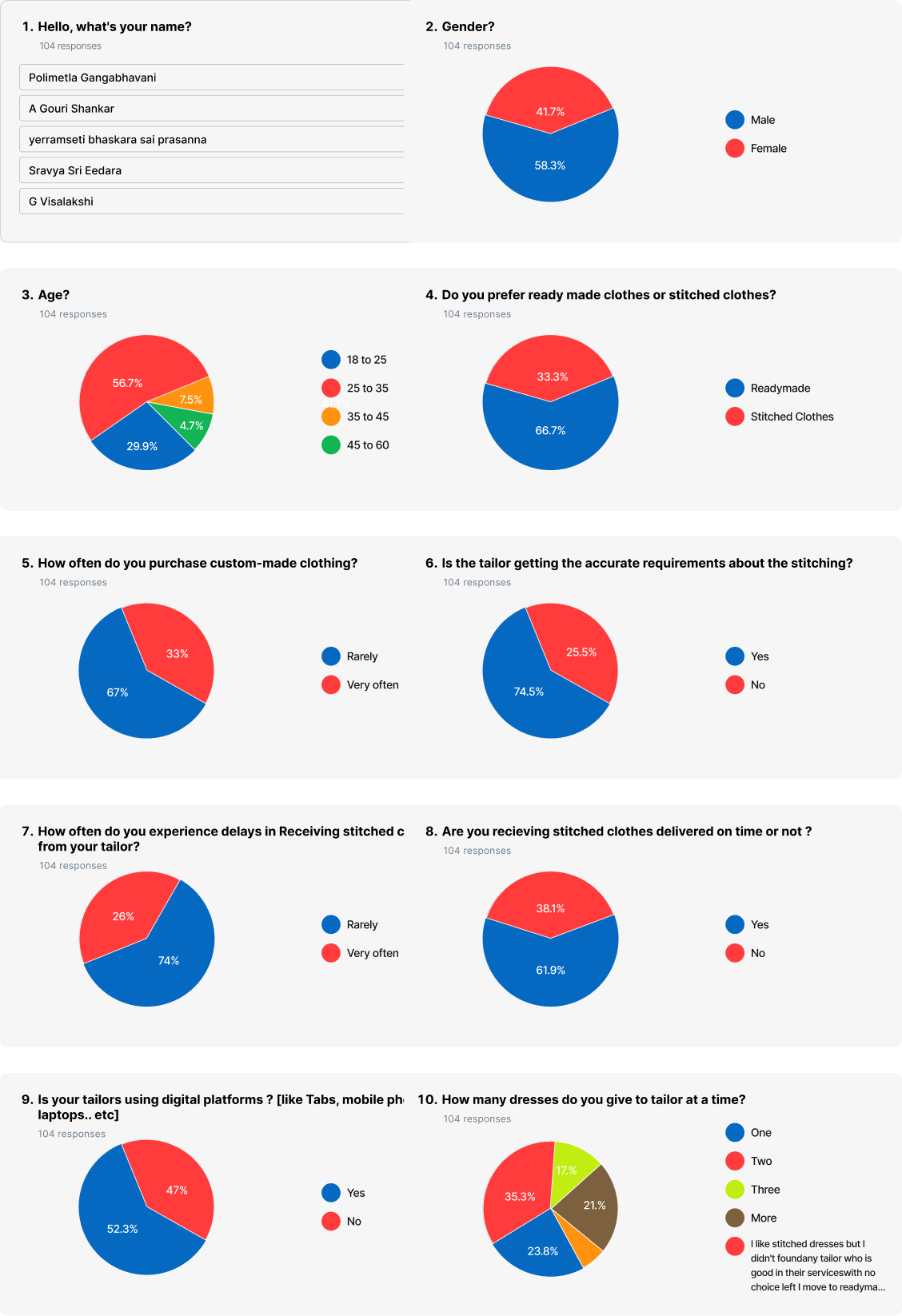
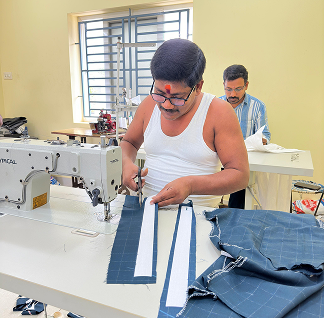
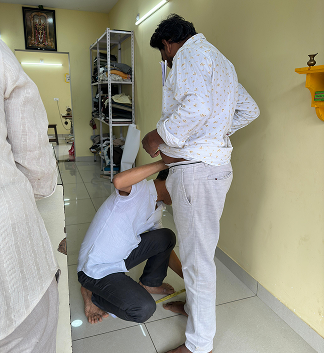
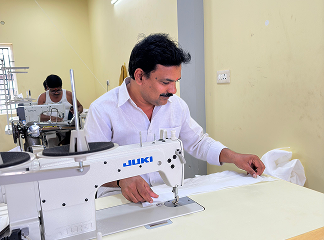
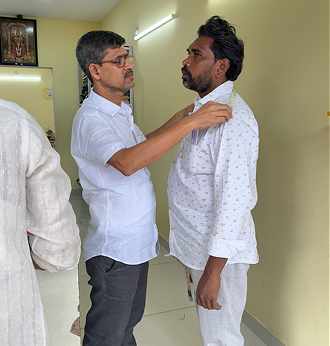
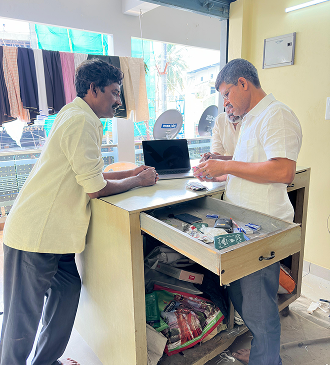
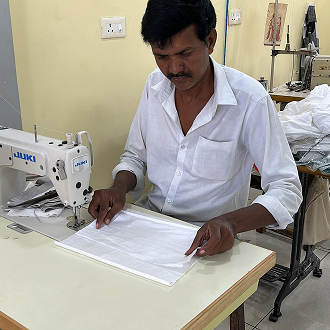
To understand real-world challenges, I conducted interviews and on-site observations with tailors and boutique owners across different locations. The goal was to analyze their daily workflows, identify pain points, and understand how manual processes impact efficiency and customer experience. This research helped uncover how traditional methods, while familiar, create gaps in communication, tracking, and overall workflow management.
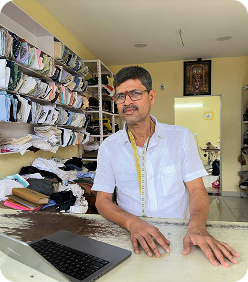
Experience: 30 Years
Location: Draksharama, Konaseema, Andhra Pradesh
About: A highly experienced traditional tailor who manages a large customer base manually. Faces challenges in tracking customer data, monitoring worker tasks, and managing deliveries on time.
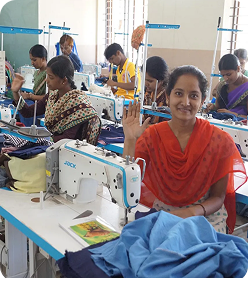
Experience: 15 Years
Location: Attabira, Bargarh, Odisha
About: A boutique owner specializing in women's wear. Handles multiple orders simultaneously and struggles with tracking order status, customer preferences, and communicating new updates efficiently.

Experience: 07 Years
Location: Miyapur, Hyderabad, Telangana
About: A modern boutique that blends traditional tailoring with contemporary fashion. Looking for a digital solution to streamline workflow, assign tasks to workers, and provide timely updates to customers.
While designing the solution, several real-world limitations were considered:

| NAMES | URL | COMPETITORS |
|---|---|---|
 |
https://app.atelierware.com | Direct |
 |
https://darziware.com | Indirect |
 |
https://shristitch.com | Indirect |
 |
https://www.tailobill.com/ | Indirect |
| Features |
Atelierware
|
Darziware
|
ShriStitch Tailoring
|
Tailobill
|
|---|---|---|---|---|
| Version | Desktop Mobile Tablet |
Desktop | Desktop | Desktop |
| Business | StartUps Agencies Enterprises |
StartUps Agencies Enterprises |
StartUps Agencies Enterprises |
StartUps Agencies Enterprises |
| Languages | English | English | English Oriya Bengali/Bangla and More |
English |
| Subscription | StartUps Yearly Enterprises |
StartUps Monthly, Yearly Enterprises |
StartUps Monthly, Yearly Enterprises |
StartUps Yearly Enterprises |
| Ratings & Review | No Data | Overall 4.8/5 | Overall 4.7/5 | Overall 4.5/5 |
| Awards | StartUps No Enterprises |
StartUps No Enterprises |
StartUps 6 Awards Enterprises |
StartUps No Enterprises |
| Industries | Fashion Apparel Designers Designers |
Fabric Furnishing Textiles Garment Industry |
Fabric Furnishing Textiles |
Apparel Designers Garment Industry Designers |
| Features | Order Management Integrated Workflow SMS & Email Integration Invoicing |
Order Management Multiple Payout Options Inventory Management User Management Finance & Accounts |
Inventory Management EmailSms Notifications Multiple Users Billing & Invoicing Maintain Customer Profile |
Advance Order Booking Multiple unit term measurement Shipping & Delivery PaperLess Tailoring Finance & Accounts |
Mr.Rajesh Kumar, a passionate entrepreneur, started Fashion Haven to offer best poke clothing solutions to his clients. Despite his dedication, he faces numerous challenges in managing the boutique efficiently. Often overwhelmed with manual data management, he struggles to keep track of customer information, leading to occasional data loss. This results in repeated inquiries from customers, causing frustration on both ends. Additionally, delays in cloth deliveries due to ineffective time tracking systems and reliance on physical order cards further compound the issues.
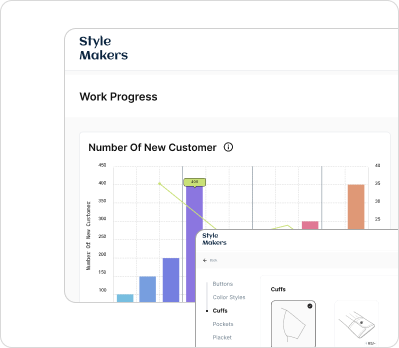
To address the challenges faced by tailors and boutique owners, I designed Style Makers, a
digital platform that simplifies customer management, order tracking, and team coordination.
The solution focuses on improving efficiency, reducing errors, and enhancing communication while
maintaining familiarity with existing workflows to ensure easy adoption.
The solution is designed to be simple, scalable, and easy to adopt, ensuring that even non-technical users can efficiently manage their daily operations.
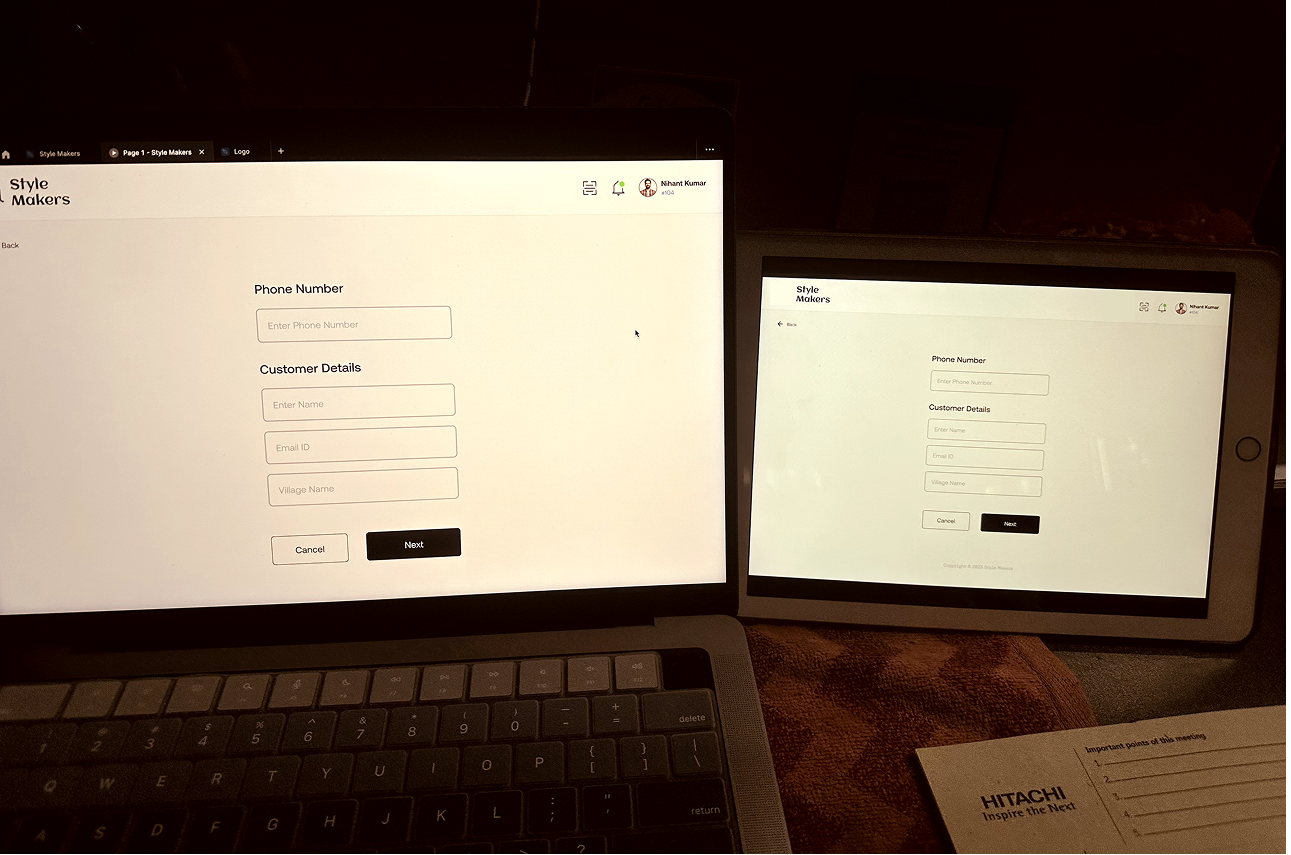
The design focuses on simplicity, clarity, and ease of use, tailored specifically for tablet usage in tailoring shops where work is often collaborative and desk-based.

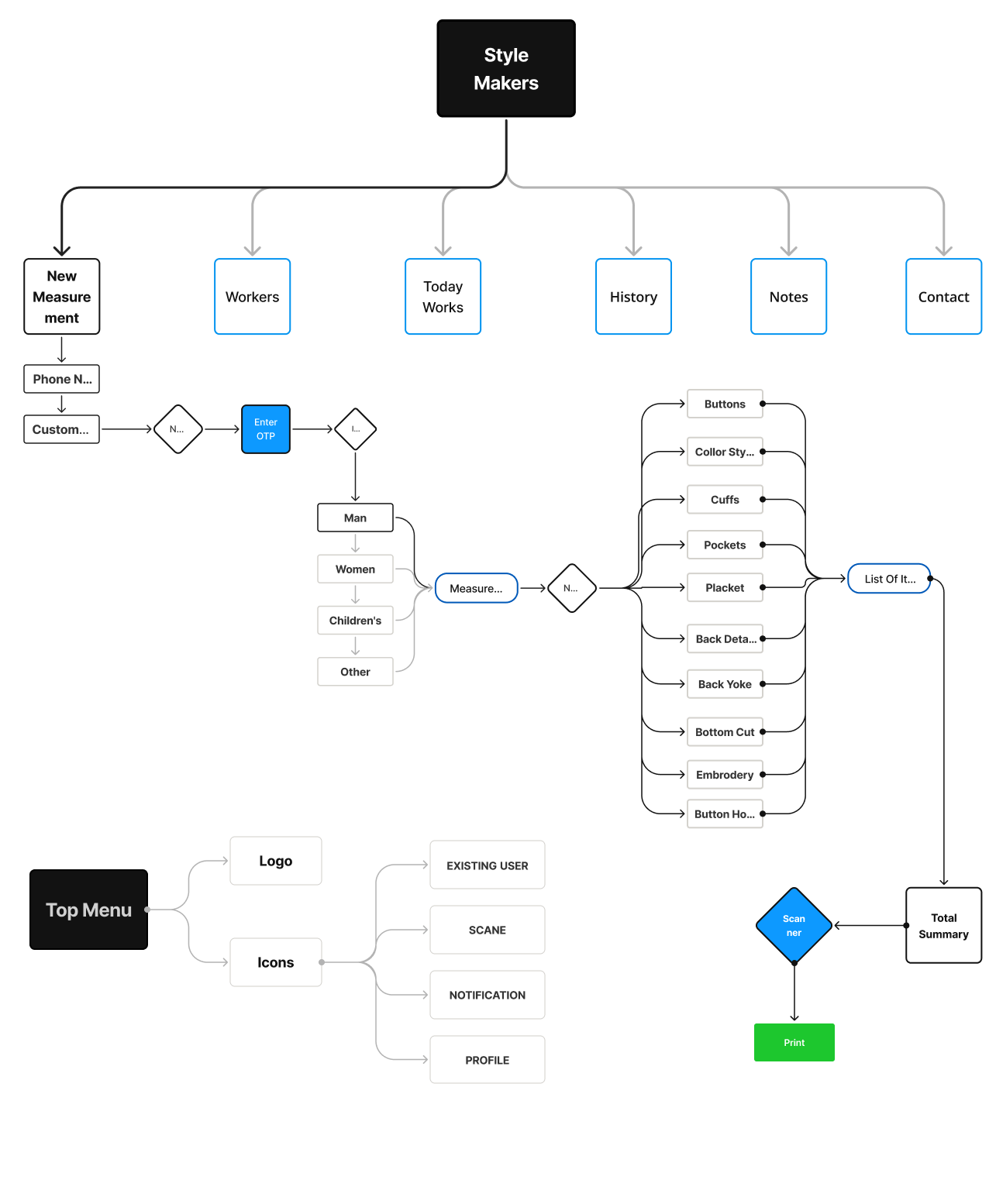
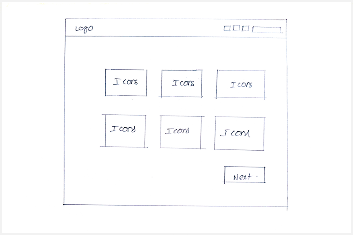
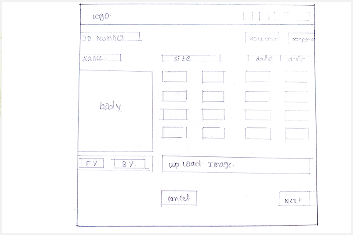
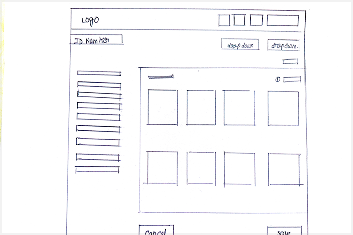
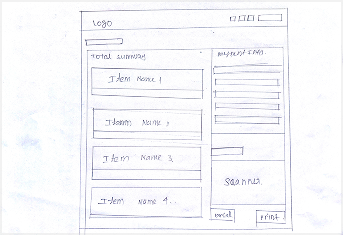
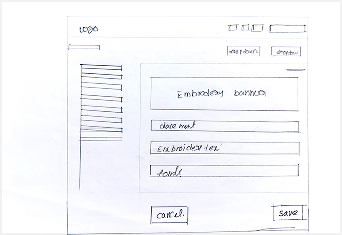
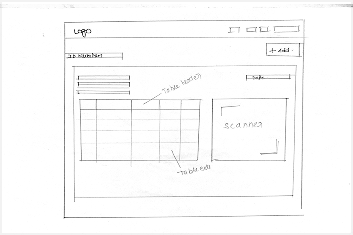
The design evolved through multiple iterations based on user feedback and usability observations during testing.
The initial design had multiple steps and complex navigation. It was simplified to make task completion faster and more intuitive.
Increased font sizes and spacing to ensure better visibility on tablet screens.
Simplified input fields to reduce effort and speed up order creation.
Reorganized screens to match real-world tailoring processes, improving user understanding.

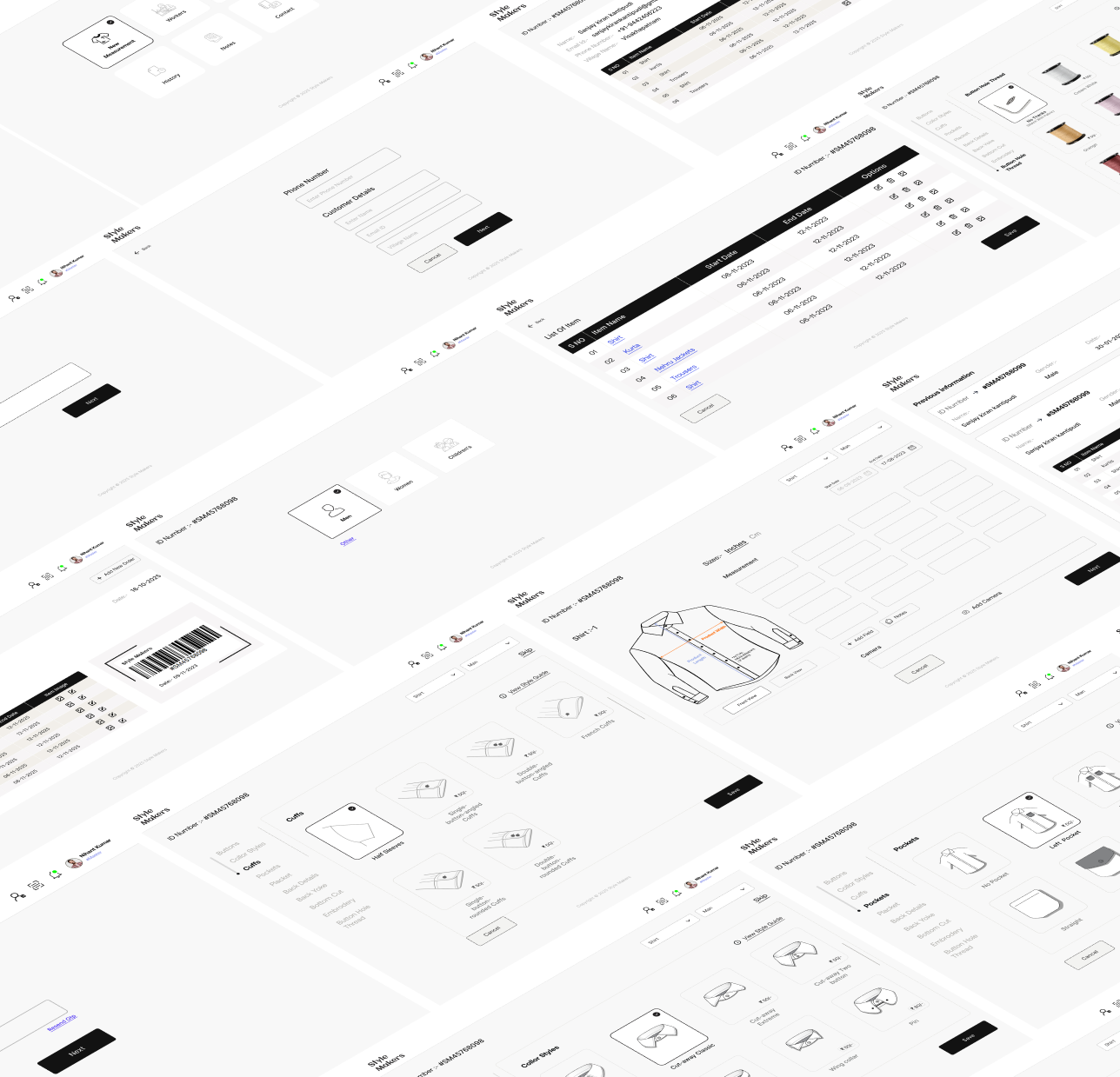
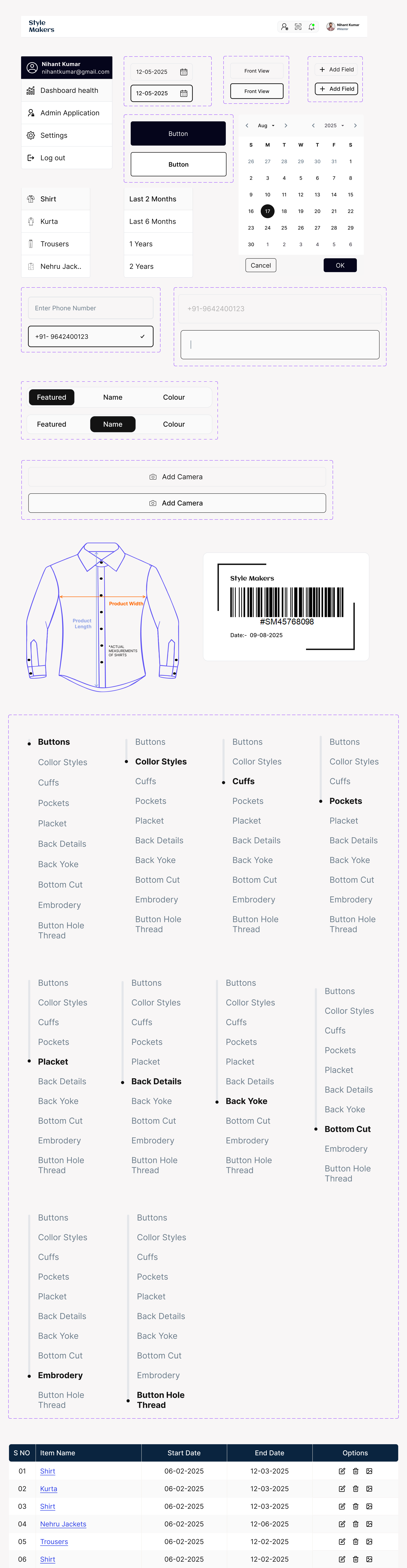
The solution improves workflow efficiency by replacing manual processes with a structured digital system. It helps reduce errors, improve communication, and streamline daily operations for tailors and boutique owners.
This project helped me understand the importance of solving real-world problems through design rather than focusing only on visual output. By engaging directly with tailors, boutique owners, and customers across different locations, I gained deeper insights into how traditional workflows impact efficiency, communication, and overall business operations.
I learned how to conduct end-to-end user research, identify core pain points, and translate those insights into practical design solutions. Working closely with real users also improved my ability to design for clarity, simplicity, and accessibility, especially for users with low technical familiarity.
Through testing the product on a tablet, I understood the importance of usability factors such as readability, touch interactions, and navigation. Iterating based on user feedback helped me refine the experience and make it more intuitive and reliable.
Overall, this project strengthened my ability to bridge the gap between design and real-world usage, emphasizing that effective design is not just about aesthetics, but about creating meaningful, usable, and scalable solutions.